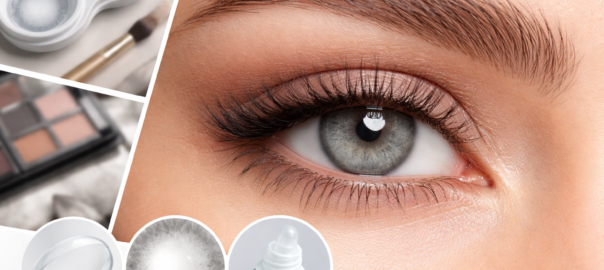
Cosmetic eye styling continues to evolve across fashion, retail, and creative environments, with options ranging from subtle enhancements using grey contact lenses to brighter tonal shifts achieved through blue contact lenses, while more specialised looks are created with white contact lenses for controlled visual impact. These products are now integrated into broader appearance strategies, allowing users to refine eye aesthetics in a way that aligns with lighting, skin tone, and overall presentation rather than relying on simple colour change alone.as novelty accessories but as structured tools within appearance management, allowing users to align eye aesthetics with specific outcomes, environments, and visual expectations.
The shift from occasional use to integrated styling has influenced how lenses are selected, presented, and applied. Rather than focusing purely on colour change, the emphasis is now on tone consistency, iris definition, and how the eye interacts with surrounding elements such as skin tone, lighting, and overall presentation. This creates a more strategic approach where lens selection becomes part of a broader visual system rather than a standalone choice.
Product Positioning Within Visual Styling Systems

Within modern styling frameworks, coloured lenses are treated as controlled modifiers rather than decorative additions. Their purpose is to refine contrast, soften or intensify features, and influence perception in both natural and staged environments.
Neutral tones, particularly those with muted depth, are often selected for balance. They integrate with a wide range of skin tones and minimise visual disruption, making them suitable for consistent use across different settings. Brighter tones, by contrast, are used to introduce contrast and draw focus, often supporting sharper visual compositions.
Specialised opaque designs are positioned differently. Instead of blending with natural features, they override them entirely, creating a deliberate and often high-impact visual result. These are typically aligned with specific use cases where distinction and clarity are required, such as themed environments or controlled visual production.
Selection Criteria Based on Outcome Requirements
Effective selection is determined by the intended outcome rather than preference alone. This involves assessing how the lens will perform under different lighting conditions, distances, and viewing contexts.
Key considerations include:
- Iris coverage and opacity consistency
- Edge definition and transition between lens and sclera
- Colour stability under artificial and natural light
- Compatibility with surrounding tones, including skin and makeup
Material construction also plays a role in performance. Moisture retention, oxygen permeability, and surface finish contribute to both comfort and visual clarity, particularly during extended wear.
Lenses designed for subtle enhancement rely on layered pigmentation that allows some natural iris detail to remain visible. This creates depth and prevents a flat or artificial appearance. In contrast, full-coverage designs prioritise uniformity, ensuring the natural iris does not influence the final result.
Integration Across Retail and Content Environments
Retail presentation of cosmetic lenses has shifted towards outcome-based categorisation rather than simple colour grouping. This enables clearer navigation and aligns product selection with user intent.
Common structuring approaches include:
- Natural enhancement collections
- High-contrast or statement styling
- Full-coverage or transformation-focused options
This segmentation supports both in-store and online environments, allowing customers to identify products based on the result they want to achieve rather than navigating broad or ambiguous categories.
Content integration follows a similar pattern. Rather than listing specifications in isolation, lenses are positioned within complete visual systems. This includes pairing with makeup styles, wardrobe tones, and lighting conditions to demonstrate real-world application.
Such an approach improves clarity and supports informed decision-making, particularly in digital environments where physical testing is not possible.
Visual Consistency and Styling Control
Consistency is a key factor in repeat use and professional application. Variations in tone, saturation, or edge definition can disrupt the overall appearance, particularly when lenses are used across multiple sessions or environments.
To maintain consistency, selection should prioritise:
- Reliable colour output across different batches
- Stable pigmentation that resists fading or shifting
- Defined edges that remain consistent under varied lighting
These factors ensure that the lens performs predictably, reducing the need for adjustments and supporting a more streamlined styling process.
In content production or retail photography, consistency also affects post-processing requirements. Lenses that produce accurate and stable tones reduce editing time and maintain authenticity across visual assets.
Compliance, Handling, and Operational Considerations
Beyond aesthetics, operational handling and compliance remain essential. Proper storage, cleaning, and usage protocols contribute to both product longevity and user safety.
Important considerations include:
- Storage in appropriate solution environments
- Regular replacement based on manufacturer guidelines
- Avoiding extended wear beyond recommended durations
These practices ensure that the lens maintains its structural integrity and visual quality over time.
From a retail perspective, clear communication around handling and usage supports customer confidence and reduces post-purchase issues. This includes concise instructions and accessible guidance that aligns with the product’s intended use.
Supporting Scalable Product Strategy
For businesses operating within this niche, scalability depends on structured product selection and clear positioning. Rather than expanding inventory indiscriminately, successful strategies focus on defined ranges that address specific outcomes.
This may include:
- Core neutral tones for broad appeal
- Select high-impact options for niche demand
- Limited specialised designs aligned with seasonal or event-based use
Such an approach maintains clarity while supporting growth, ensuring that each product serves a defined role within the overall offering.
Content and product pages should reflect this structure, enabling natural backlink placement within descriptive text rather than forced insertion. This supports both user experience and search visibility without compromising readability.
Conclusion
Cosmetic contact lenses function as precise tools within modern visual styling systems. Their effectiveness depends on structured selection, consistent performance, and clear integration into broader aesthetic frameworks.
By focusing on outcome-based positioning, controlled application, and operational clarity, these products support scalable use across retail, creative, and individual contexts. This ensures they remain relevant not only as fashion accessories but as integral components of contemporary visual presentation.