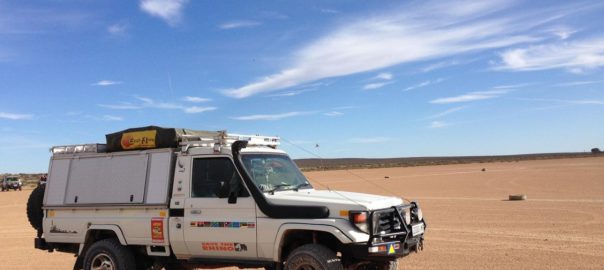
Australia has a way of testing people, not just with distance, but with attitude. Long stretches of red dirt, coastal sand that shifts underfoot, rocky climbs that demand patience, and bush tracks that seem to disappear without warning. For anyone drawn to these places, preparation matters. Strong 4WD systems are often the quiet heroes behind those unforgettable journeys, carrying explorers safely across landscapes that refuse to play nice. The right approach to 4×4 fitouts can turn a hopeful trip into a confident adventure, especially when the goal is not speed, but trust in the vehicle beneath the wheels.
Out on the trail, theory fades fast. What stays is feel. The way a vehicle responds when the track suddenly narrows. The confidence that comes from knowing it will keep moving when the sand gets soft, or the climb turns ugly. Many seasoned travellers say the real magic of off-road driving in Australia is not conquering the land, but learning how to move with it. The country rewards respect and punishes shortcuts.
Ask anyone who has tackled the High Country in Victoria or crossed remote desert tracks in Western Australia. They will talk less about specs and more about moments. A slow crawl over a rock ledge while mates spot from outside. A quiet stop at sunset when the engine ticks as it cools. A shared laugh after getting through a boggy section that looked impossible from the driver’s seat. These stories stick because the trials demand presence.

Australia’s toughest tracks are not just physically challenging; they are mentally demanding. There is no room for rushing. Patience becomes the real skill. Drivers learn to read the ground like a language, spotting ruts, changes in colour, subtle dips that hint at trouble. Over time, this awareness turns into instinct. The best off-roaders often look calm, even relaxed, because they trust their setup and their judgement.
There is also a strong sense of community that runs through Australia’s off-road culture. Out on the tracks, people stop to help each other without hesitation. A wave turns into a conversation, then into shared advice about the next section ahead. Someone might warn about a washed-out crossing or a steep descent that caught them by surprise. These interactions are part of what makes the experience richer. The trail becomes a shared story, not a solo challenge.
Preparation plays a role long before the tyres touch dirt. Planning routes, checking the weather, understanding seasonal changes, all of it shapes the outcome. Australian conditions can shift quickly. What looks dry and friendly on a map can turn into a muddy test after rain. Those who travel often learn to expect the unexpected and leave room for changes. Flexibility is not a backup plan; it is the plan.
Many families are now taking on these adventures together. Kids in the back seat watch the landscape change from farmland to bush, then to open desert. These trips become memories that last far longer than any screen time. There is something grounding about disconnecting from daily noise and tuning into the rhythm of the track. The hum of tyres, the crackle of the radio, the shared focus on the road ahead.
The emotional pull of Australia’s trails is hard to explain to someone who has not experienced it. It is not about proving toughness. It is about freedom. The feeling of being small in a big country, yet capable enough to move through it. Each trail offers a different lesson. Coastal tracks teach respect for tides and timing. Mountain trails demand attention and restraint. Desert routes reward planning and patience.
Retailers and builders who understand this mindset know that people are not just buying gear, they are buying confidence. They want to know that when the track turns rough, their vehicle will respond without drama. They want to enjoy the journey, not stress over every obstacle. This is why experienced advice matters. Not to overwhelm with detail, but to guide choices that suit real-world use.
Story after story from the trials shares a common theme. The best trips are not the ones where everything goes perfectly. They are the ones where challenges are met, mistakes are learned from, and the journey continues. A wrong turn that leads to a better view. A slow recovery that turns into a bonding moment. These experiences shape how people remember Australia’s wild places.
As more Australians seek adventure closer to home, the trails continue to call. From iconic routes to hidden local tracks, the country offers endless opportunities to explore. Taking them on is less about pushing limits and more about understanding them. When the vehicle, the driver, and the land are in sync, the result is something special.
Australia does not hand out easy wins. Its toughest trails ask for respect, preparation, and a willingness to learn. Those who answer that call often find more than just a destination. They find stories worth telling, connections worth keeping, and a deeper appreciation for a landscape that gives back as much as it challenges.
The beauty of tackling these trails is that no two journeys ever feel the same. Even returning to a familiar track can reveal something new, a changed surface, a different light, a fresh perspective. That sense of discovery keeps people coming back, year after year, chasing not just destinations, but the feeling of being truly present in Australia’s wild heart.