
Category Archives: General

premium coffee beans with espresso machine in kitchen setting

Coffee Beans and Brewing Systems for Consistent Quality

The relationship between equipment and product quality is central to modern coffee retail. For businesses supplying both machines and beans, success depends on aligning brewing performance with flavour consistency. Selecting the right coffee beans is not just about origin or roast level; it directly influences extraction, aroma, and overall beverage quality.

Retailers operating in this space must position products as part of an integrated system. Machines, grinders, and beans should be presented together to support a complete brewing solution rather than individual components.

Roast Profiles and Extraction Outcomes

Different roast profiles produce distinct flavour characteristics and extraction behaviours. Light roasts often highlight acidity and origin notes, while darker roasts deliver a fuller body and more pronounced bitterness.

Understanding how beans interact with brewing equipment is essential. Machines with precise temperature and pressure control allow users to extract the full potential of each roast. This creates opportunities for retailers to guide buyers towards combinations that deliver consistent results.

Clear product descriptions should focus on flavour profile, roast level, and recommended brewing methods. This approach supports both experienced users and those new to the category.

Equipment Compatibility and Performance

Coffee machines are designed to perform within specific parameters. Matching beans to these parameters ensures optimal extraction and reduces variability.

For example, automatic machines benefit from beans that produce consistent grind results and minimal oil residue, while manual espresso machines allow for greater experimentation with grind size and dosing. Aligning these factors improves workflow and beverage quality.

Retailers should emphasise compatibility within product listings. Linking machines with suitable bean options simplifies the decision-making process and enhances customer experience.

Convenience and Accessibility in Online Retail

The shift towards eCommerce has transformed how consumers purchase coffee products. Searches for coffee beans online indicate strong intent, with buyers seeking convenience, variety, and reliable delivery.

To capture this demand, online platforms must provide clear navigation and detailed product information. Filters based on roast type, origin, and flavour profile allow users to quickly identify suitable options.

Subscription models and repeat purchase options further enhance engagement, particularly for customers who prioritise consistency in their daily routine.

Freshness and Supply Chain Management

Maintaining freshness is critical in coffee retail. Beans begin to lose their optimal flavour profile shortly after roasting, making storage and distribution key considerations.

Suppliers must manage inventory carefully to ensure that products reach customers within an appropriate timeframe. Packaging solutions that preserve freshness, such as sealed bags with one-way valves, contribute to maintaining quality during transit.

Communicating roast dates and storage recommendations builds trust and supports better outcomes for end users.

Integrated Product Ecosystems

Selling both machines and beans creates opportunities for integrated product ecosystems. Customers benefit from guidance on how to pair equipment with suitable beans, while retailers can increase order value through bundled offerings.

For example, a machine purchase can be complemented with recommended bean selections and essential accessories. This approach simplifies the buying process and positions the retailer as a complete solution provider.

Educational content, including brewing guides and maintenance tips, further strengthens this ecosystem and encourages repeat engagement.

Digital Strategy and Search Alignment

Search performance in this category is driven by intent and specificity. Users often search for particular products, brewing methods, or flavour outcomes, making targeted content essential.

Product pages should include structured headings, concise descriptions, and relevant internal links. This improves both user experience and search visibility.

Content strategies should focus on practical application, helping users understand how to achieve consistent results with the products they purchase.

Conclusion

The coffee retail market continues to evolve towards integrated solutions that combine equipment and product quality. By aligning beans with machine performance and providing clear, structured information, businesses can deliver a consistent and engaging customer experience.

A focus on freshness, compatibility, and accessibility ensures that both new and experienced users achieve reliable results. This approach supports long-term growth and strengthens brand positioning within a competitive market.
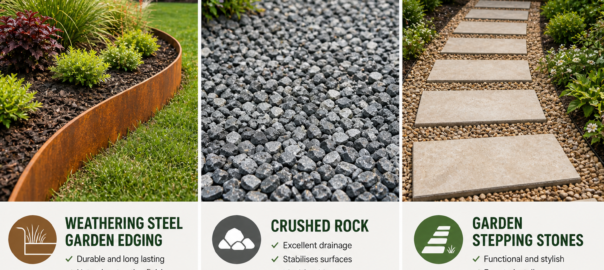
garden edging rock and stepping stones

Hardscape Materials for Structured and Durable Outdoor Design

Outdoor construction and landscape design require materials that deliver both structural integrity and visual cohesion. From defining garden borders to creating stable pathways, selecting the right combination of edging, aggregates, and surface elements ensures long-term performance. A well-planned hardscape not only improves usability but also enhances the overall presentation of outdoor spaces.

For contractors and landscape suppliers, clear material positioning and application guidance support efficient installation and better project outcomes. Each component plays a specific role, contributing to drainage, stability, and visual structure.

Defined Borders with Long-Term Performance

Creating clean, durable boundaries is essential in landscape design. Weathering steel garden edging offers a practical solution by combining structural strength with a distinctive finish that evolves over time. Its natural patina forms a protective layer, reducing the need for ongoing maintenance while delivering a consistent appearance.

This material is particularly suited to garden beds, pathways, and lawn separation where defined lines are required. Its flexibility allows it to be shaped to suit both straight and curved designs, supporting a wide range of layout configurations.

From a product perspective, emphasising durability, ease of installation, and minimal upkeep aligns with buyer intent. These factors contribute to its growing adoption across residential and commercial projects.

Base Preparation and Drainage Efficiency

A stable base is fundamental to any outdoor installation. Materials such as crushed rock are widely used to create compacted layers that support pathways, driveways, and paved areas.

Its angular composition allows for effective compaction, reducing movement and improving load distribution. This makes it suitable for high-traffic areas where stability is critical. In addition to structural support, it enhances drainage by allowing water to pass through rather than accumulate.

Proper layering and compaction techniques are essential to maximise performance. When installed correctly, this material reduces maintenance requirements and extends the lifespan of surface finishes.

Functional and Aesthetic Pathway Solutions

Surface elements play a key role in both accessibility and design. Garden stepping stones provide a practical pathway solution while contributing to the visual structure of outdoor spaces.

These elements allow for controlled movement through garden areas without disrupting surrounding planting. They are commonly used in residential landscapes, courtyards, and transitional zones where a defined path is required.

Positioning should focus on versatility and ease of integration. Stepping stones can be arranged in various patterns, allowing for customised layouts that align with the overall design intent.

Integrated Landscape Planning

Effective outdoor design requires coordination between edging, base materials, and surface elements. Each component must be considered in relation to the others to ensure a cohesive and functional result.

For example, a pathway may incorporate steel edging to define its boundaries, a compacted aggregate base for stability, and stepping stones as the visible surface. This layered approach supports both durability and visual consistency.

Planning these elements together reduces the risk of rework and ensures that each material performs as intended within the broader design.

Durability and Maintenance Considerations

Long-term performance is a key factor in material selection. Products must withstand environmental conditions, including moisture, temperature variation, and regular use.

Metal edging systems provide resistance to corrosion and wear, while aggregates offer stability under load. Surface elements should be selected based on their ability to maintain appearance and functionality over time.

Clear communication around maintenance requirements helps set realistic expectations and supports better decision-making. Buyers are increasingly focused on solutions that minimise ongoing upkeep.

Installation Efficiency and Workflow

Material choice also impacts installation efficiency. Pre-formed edging systems simplify placement, while well-graded aggregates reduce preparation time. Modular surface elements allow for straightforward alignment and adjustment during installation.

For contractors, these efficiencies translate into reduced labour costs and improved project timelines. Clear specifications and reliable supply further support smooth execution.

Digital Visibility and Product Positioning

Search behaviour in this category is driven by application-specific queries. Users typically look for solutions to defined problems, such as creating borders, stabilising surfaces, or designing pathways.

Content should reflect this intent by focusing on practical use cases and clear product benefits. Structured headings, concise descriptions, and internal linking improve both user experience and search performance.

Product pages should include detailed specifications, installation guidance, and visual examples. This ensures that buyers can make informed decisions with confidence.

Conclusion

Hardscape materials form the foundation of effective landscape design. By selecting the right combination of edging, aggregates, and surface elements, businesses and property owners can achieve durable, functional, and visually consistent results.

A structured approach to material selection and application ensures that each component contributes to the overall success of the project. As outdoor spaces continue to evolve, clarity and performance will remain central to achieving long-term value.

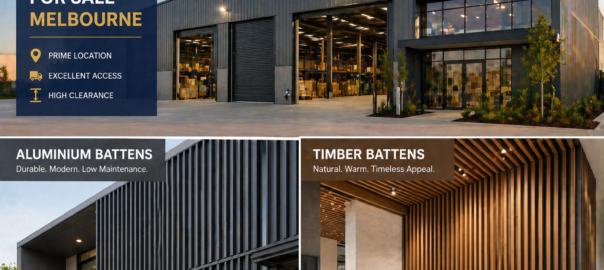
warehouse for sale melbourne with aluminium and timber battens

Strategic Property Assets and Material Selection in Modern Development

Commercial development and construction sectors increasingly intersect where site acquisition and material specification directly influence long-term value. From sourcing a warehouse for sale melbourne to selecting façade systems and structural detailing, decision-making is driven by performance, durability, and visual impact. Businesses operating across real estate and construction must align these elements to create cohesive, high-performing assets.

A structured approach ensures that both property investment and material application contribute to operational efficiency and market positioning. This alignment is particularly relevant in industrial, commercial, and mixed-use developments where both form and function are critical.

Industrial Property Acquisition and Market Positioning

Securing the right industrial asset requires a clear understanding of location dynamics, zoning, and logistical access. Buyers evaluating warehouse opportunities focus on factors such as transport connectivity, floor area efficiency, and adaptability for future use.

From a real estate perspective, positioning an industrial property involves more than listing specifications. It requires presenting the asset in a way that aligns with buyer intent. Clear descriptions, accurate floor plans, and relevant use-case scenarios support informed decision-making.

Demand within this sector remains closely tied to supply chain activity and business expansion. Properties that offer flexibility, including potential for modification or expansion, tend to attract broader interest and deliver stronger long-term value.

Material Selection and Architectural Integration

On the construction side, external and internal finishes contribute significantly to both aesthetics and performance. Materials are selected not only for visual appeal but also for durability, maintenance requirements, and environmental resistance.

Products such as aluminium battens are widely used in modern construction for façade systems, screening, and feature detailing. Their strength, lightweight properties, and resistance to corrosion make them suitable for both commercial and residential applications.

These systems allow for consistent spacing, clean lines, and contemporary finishes. They are often integrated into architectural designs where ventilation, shading, or visual layering is required. For developers, this material offers a balance between functionality and design flexibility.

Natural Finishes and Design Warmth

In contrast to metal systems, timber battens introduce a natural aesthetic that enhances warmth and texture within a built environment. These materials are commonly used in interior applications, ceiling features, and external cladding where a softer visual outcome is desired.

Timber-based systems appeal to projects aiming for a more organic or design-focused appearance. They are often incorporated into commercial spaces such as offices, hospitality venues, and retail environments where atmosphere plays a key role in user experience.

When specified correctly, timber elements can complement structural materials while adding depth to the overall design. This combination supports a balanced architectural outcome that aligns with both functional and visual objectives.

Integration of Property and Construction Strategy

The connection between property acquisition and material selection is often overlooked, yet it plays a critical role in project success. Developers who consider both aspects early in the planning process can achieve greater efficiency and consistency.

For example, selecting materials that align with the intended use of a warehouse space can influence both operational performance and tenant appeal. Durable finishes, efficient layouts, and adaptable design features contribute to long-term usability.

Real estate professionals and construction specialists benefit from collaborative planning. This ensures that site capabilities, design intent, and material selection are aligned from the outset, reducing the need for costly adjustments later.

Performance, Durability, and Maintenance

Long-term performance is a key consideration across both sectors. Industrial properties must support ongoing operational demands, while construction materials must withstand environmental conditions and usage over time.

Metal-based systems provide durability and low maintenance, making them suitable for high-exposure environments. Timber systems, while visually appealing, require appropriate treatment and maintenance planning to ensure longevity.

Clear communication around these factors is essential. Buyers and developers need to understand not only the immediate benefits but also the long-term implications of their decisions.

Digital Presentation and Market Engagement

Online visibility plays a central role in both property and construction sectors. Listings and product pages must be structured to support search intent and user engagement.

For real estate, this includes detailed property descriptions, high-quality imagery, and clear navigation. For construction materials, it involves technical specifications, application examples, and visual references.

Content strategies should focus on practical application and relevance. This approach supports both SEO performance and user experience, creating opportunities for contextual linking across related pages.

Supply Chain and Availability

Reliable access to both property assets and construction materials is critical for maintaining project timelines. Delays in acquisition or supply can impact overall delivery and cost management.

Businesses must establish strong relationships with suppliers and maintain clear communication channels. This ensures consistency in quality and availability, supporting efficient project execution.

Offering a range of options within both property and material categories allows for flexibility. This adaptability is particularly important in dynamic markets where conditions can change rapidly.

Conclusion

The intersection of real estate and construction highlights the importance of coordinated decision-making. From acquiring industrial assets to selecting materials that define structure and appearance, each choice contributes to overall project success.

By focusing on clarity, performance, and strategic alignment, businesses can create developments that meet both operational requirements and market expectations. A structured approach ensures that property and construction elements work together to deliver long-term value.