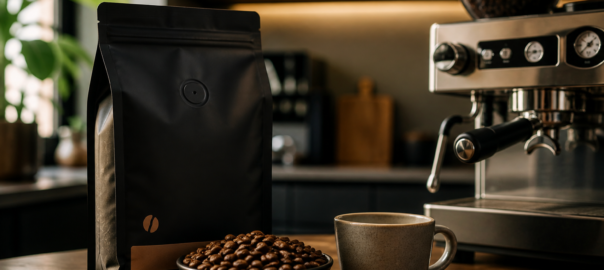
The relationship between equipment and product quality is central to modern coffee retail. For businesses supplying both machines and beans, success depends on aligning brewing performance with flavour consistency. Selecting the right coffee beans is not just about origin or roast level; it directly influences extraction, aroma, and overall beverage quality.
Retailers operating in this space must position products as part of an integrated system. Machines, grinders, and beans should be presented together to support a complete brewing solution rather than individual components.
Roast Profiles and Extraction Outcomes
Different roast profiles produce distinct flavour characteristics and extraction behaviours. Light roasts often highlight acidity and origin notes, while darker roasts deliver a fuller body and more pronounced bitterness.
Understanding how beans interact with brewing equipment is essential. Machines with precise temperature and pressure control allow users to extract the full potential of each roast. This creates opportunities for retailers to guide buyers towards combinations that deliver consistent results.
Clear product descriptions should focus on flavour profile, roast level, and recommended brewing methods. This approach supports both experienced users and those new to the category.
Equipment Compatibility and Performance
Coffee machines are designed to perform within specific parameters. Matching beans to these parameters ensures optimal extraction and reduces variability.
For example, automatic machines benefit from beans that produce consistent grind results and minimal oil residue, while manual espresso machines allow for greater experimentation with grind size and dosing. Aligning these factors improves workflow and beverage quality.
Retailers should emphasise compatibility within product listings. Linking machines with suitable bean options simplifies the decision-making process and enhances customer experience.
Convenience and Accessibility in Online Retail
The shift towards eCommerce has transformed how consumers purchase coffee products. Searches for coffee beans online indicate strong intent, with buyers seeking convenience, variety, and reliable delivery.
To capture this demand, online platforms must provide clear navigation and detailed product information. Filters based on roast type, origin, and flavour profile allow users to quickly identify suitable options.
Subscription models and repeat purchase options further enhance engagement, particularly for customers who prioritise consistency in their daily routine.
Freshness and Supply Chain Management
Maintaining freshness is critical in coffee retail. Beans begin to lose their optimal flavour profile shortly after roasting, making storage and distribution key considerations.
Suppliers must manage inventory carefully to ensure that products reach customers within an appropriate timeframe. Packaging solutions that preserve freshness, such as sealed bags with one-way valves, contribute to maintaining quality during transit.
Communicating roast dates and storage recommendations builds trust and supports better outcomes for end users.
Integrated Product Ecosystems
Selling both machines and beans creates opportunities for integrated product ecosystems. Customers benefit from guidance on how to pair equipment with suitable beans, while retailers can increase order value through bundled offerings.
For example, a machine purchase can be complemented with recommended bean selections and essential accessories. This approach simplifies the buying process and positions the retailer as a complete solution provider.
Educational content, including brewing guides and maintenance tips, further strengthens this ecosystem and encourages repeat engagement.
Digital Strategy and Search Alignment
Search performance in this category is driven by intent and specificity. Users often search for particular products, brewing methods, or flavour outcomes, making targeted content essential.
Product pages should include structured headings, concise descriptions, and relevant internal links. This improves both user experience and search visibility.
Content strategies should focus on practical application, helping users understand how to achieve consistent results with the products they purchase.
Conclusion
The coffee retail market continues to evolve towards integrated solutions that combine equipment and product quality. By aligning beans with machine performance and providing clear, structured information, businesses can deliver a consistent and engaging customer experience.
A focus on freshness, compatibility, and accessibility ensures that both new and experienced users achieve reliable results. This approach supports long-term growth and strengthens brand positioning within a competitive market.