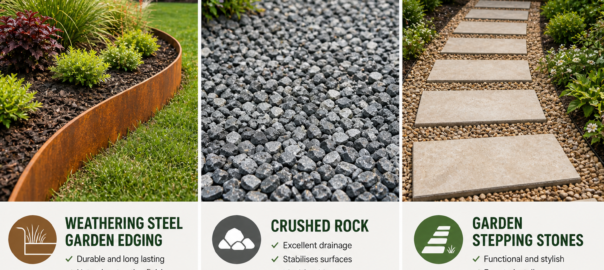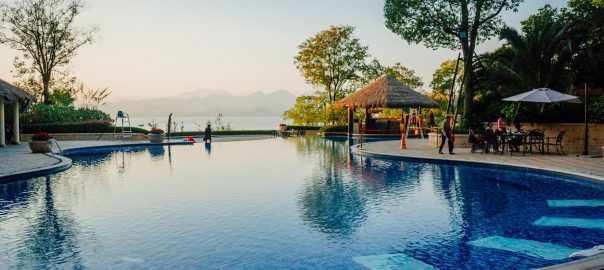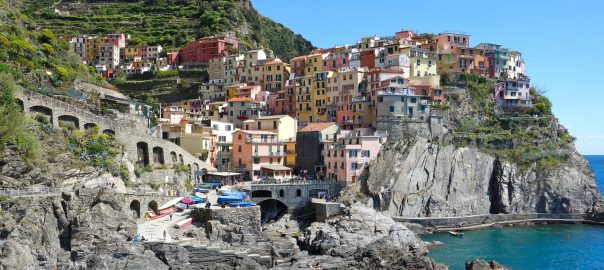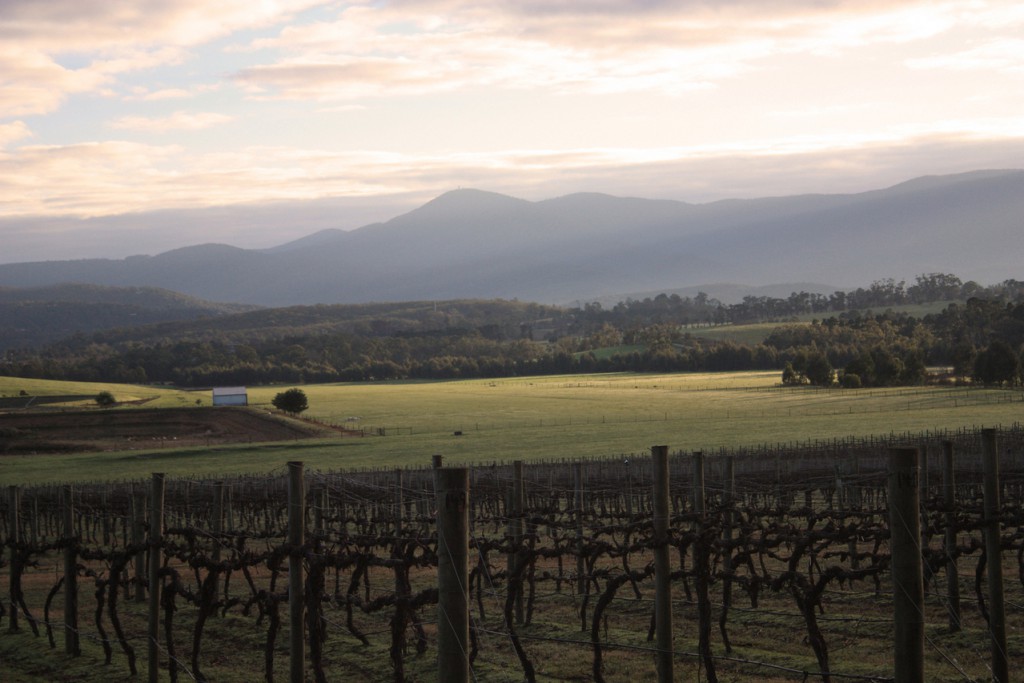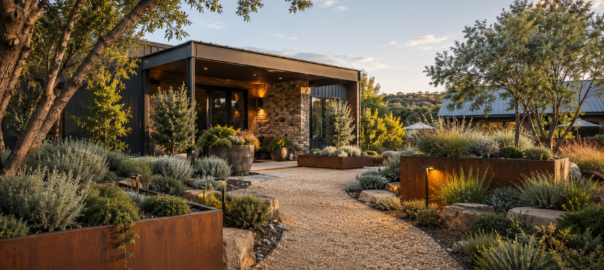
For travel venues, outdoor presentation is part of the guest experience from the moment visitors arrive. Hotels, eco-retreats, wineries, caravan parks and boutique accommodation spaces often rely on gardens to create a calm first impression. A corten planter box can be used near entrances, outdoor dining zones, reception areas or private courtyards to add structure without making the landscape feel overly formal. Its weathered finish can suit both contemporary architecture and natural surroundings, making it useful for properties that want a durable feature with a warm visual character.
Larger travel properties often need planting areas that are easy to maintain while still feeling considered and inviting. Corten raised garden beds can help create defined garden sections around pathways, car parks, accommodation wings and shared outdoor spaces. Raised beds can also make planting more visible, which is helpful in commercial settings where gardens need to look full, tidy and intentional from different angles. For guests, these details can make a venue feel more cared for, while for operators they can support clearer landscape planning.
Pathways and surface materials are just as important as planting. Crushed rock can work well in travel-focused landscapes because it creates a practical, natural-looking surface for garden paths, service areas, informal walkways and decorative zones. It can suit native-style gardens, rural accommodation, winery settings and outdoor rest areas where a softer finish is preferred over large paved sections. When used thoughtfully, it can guide movement while keeping the landscape grounded and relaxed.
A home garden and a commercial tourism landscape may differ in size, but both benefit from strong design thinking. In a home setting, garden supplies can help frame a front entry, improve a courtyard or define a backyard path. In a commercial venue, those same materials need to work harder because they support appearance, function and guest movement at the same time. Every path, planting bed and edge contributes to how people experience the space.
Travel industry gardens also need to be durable. Outdoor areas may deal
with regular movement, changing weather, garden maintenance and seasonal guest demand. Materials that look good while also supporting practical use can reduce ongoing pressure on staff. A defined edge can help keep garden beds tidy, while a stable surface material can make paths easier to navigate. Planting areas that are raised or clearly framed can also protect softer garden sections from foot traffic.
From a travel industry perspective, gardens are part of the property’s identity. A rural retreat may want a natural, understated landscape that blends into the surrounding environment. A modern hotel may need sharper edges, structured planting and clean pathway lines. A holiday park may focus on durable surfaces, easy navigation and outdoor areas that feel relaxed for families. In each case, the right garden supplies help shape the mood of the venue.
For homeowners, this commercial mindset can be useful when planning outdoor improvements. A front garden can be designed like a guest arrival space, with clear paths, defined beds and materials that hold their appearance over time. Courtyards, side paths and entertaining zones can also benefit from the same practical thinking used in tourism landscapes. The aim is not to make a home feel like a resort, but to make the outdoor areas feel considered, easy to use and welcoming.
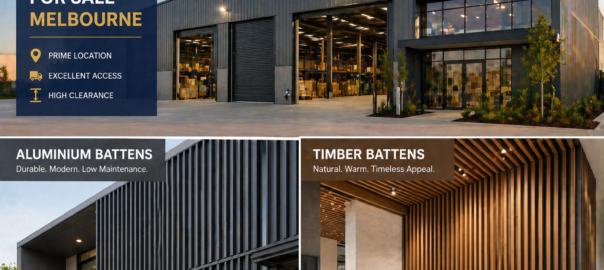
Commercial garden supplies can also support better visual consistency across a property. When edging, planting beds and path materials work together, the landscape feels more organised. This can improve how guests move through the space and how the property appears in photos, online listings and brochures. In a travel market where presentation often influences bookings, these outdoor details can carry real commercial value.
A well-designed landscape does not need to be complicated. It needs the right balance of structure, surface, planting and maintenance planning. Whether used in a home garden, a regional retreat or a busy accommodation venue, practical garden materials can help create outdoor spaces that feel attractive, durable and easy to enjoy. When the landscape supports both movement and atmosphere, it becomes more than a backdrop. It becomes part of the visitor experience.